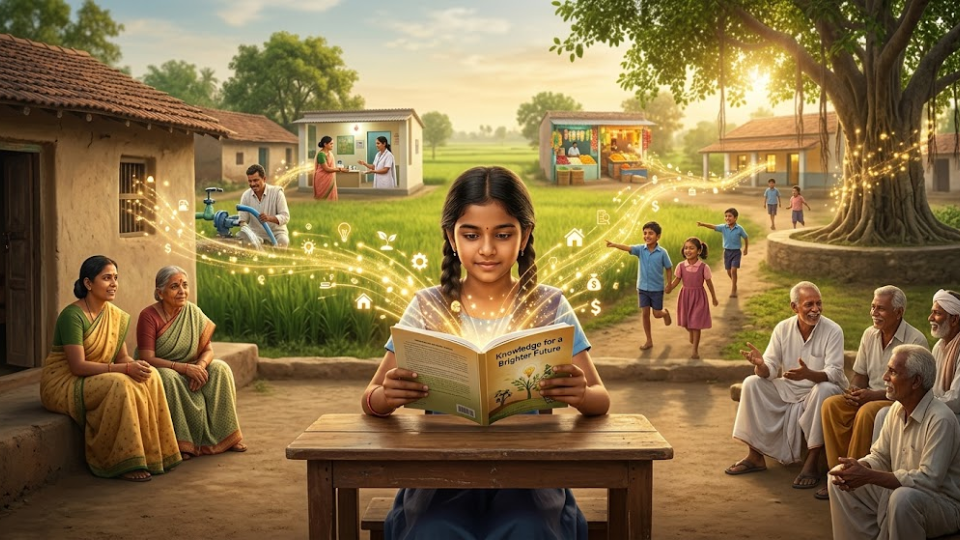
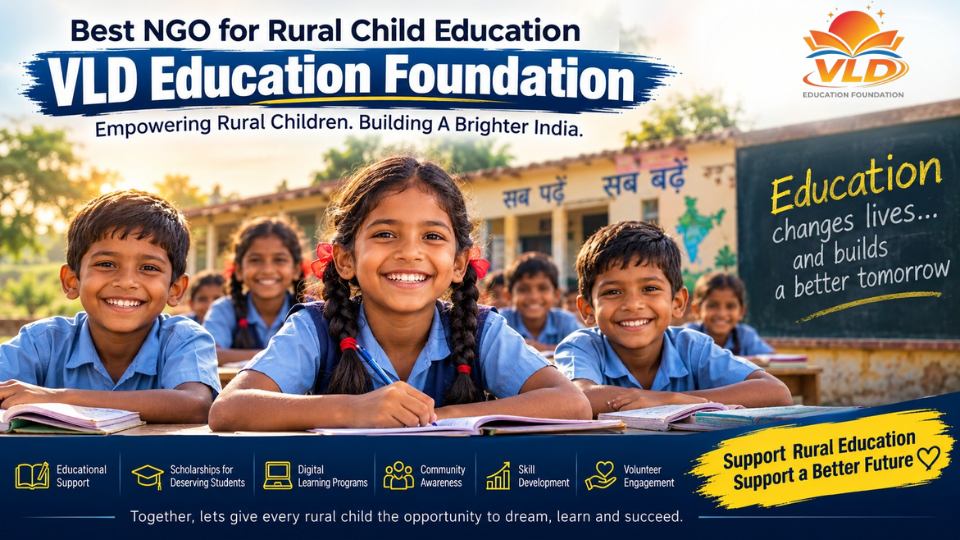
In many parts of the world, especially in rural communities, education is not just a personal achievement—it is a powerful catalyst for collective transformation. The idea that one educated child can change an entire village may sound idealistic, but time and again, it has proven to be a reality. Education doesn’t just uplift individuals; it creates a ripple effect that reshapes families, communities, and future generations.
The First Spark: Empowering the Individual
When a child gains access to quality education, they acquire more than just academic knowledge. They develop critical thinking, confidence, communication skills, and awareness of the world beyond their immediate surroundings. This transformation empowers them to question outdated practices, embrace innovation, and make informed decisions. For many rural families, this child becomes the first bridge between tradition and progress.
Impact on Family and Household
An educated child often becomes a source of knowledge within the household. They help parents understand the importance of healthcare, hygiene, financial planning, and even government schemes. In many cases, educated children guide their families toward better livelihoods—whether by introducing modern farming techniques, helping start small businesses, or ensuring younger siblings attend school.
Education also shifts mindsets. Families that once prioritized early marriages or child labor begin to recognize the long-term value of learning and skill development.
Transforming the Community
The influence of one educated child doesn’t stop at home—it extends throughout the village. As they grow, they become role models for other children and a source of inspiration for parents. Their success challenges deep-rooted beliefs that education is unnecessary or unattainable.
Villages often see a gradual increase in school enrollments when one child succeeds academically or professionally. Teachers become more motivated, local leaders start investing in better facilities, and awareness about education spreads organically.
Economic Growth and Opportunities
Education opens doors to new opportunities. When even one individual from a village secures a stable job or starts a successful venture, it has a multiplier effect. They contribute financially to their family, invest back into the community, and sometimes create employment for others.
This cycle reduces poverty, increases economic resilience, and introduces new ideas and industries into rural areas. Over time, what began as a single success story evolves into a pattern of growth.
Social Change and Equality
Education is one of the strongest tools for social change. It promotes gender equality, reduces discrimination, and fosters inclusivity. An educated child—especially a girl—can challenge societal norms and become a powerful advocate for equal rights and opportunities.
Villages with higher education levels often experience lower rates of early marriage, improved health outcomes, and stronger community participation. The ripple effect extends into building a more just and progressive society.
The Long-Term Ripple Effect
The true power of education lies in its sustainability. An educated individual is more likely to ensure their own children receive quality education, creating a generational cycle of growth. Over time, entire communities evolve—what was once a village with limited opportunities becomes a hub of aspiration and development.
Conclusion
“One Child Educated, One Village Transformed” is not just a slogan—it is a proven pathway to progress. The ripple effect of learning begins with a single opportunity but expands into a wave of change that touches every aspect of community life.
Investing in one child’s education is not a small act; it is the beginning of a larger transformation. When we educate a child, we don’t just change a life—we change a future, a family, and ultimately, an entire village.